
I rent a lot of apartments on the road, which means I have stayed in plenty of buildings that lose heat faster than they heat. After a winter of cold bedrooms I started running the same short list over every place I stayed, and it works just as well on my own flat.
1. Treat cracks as symptoms
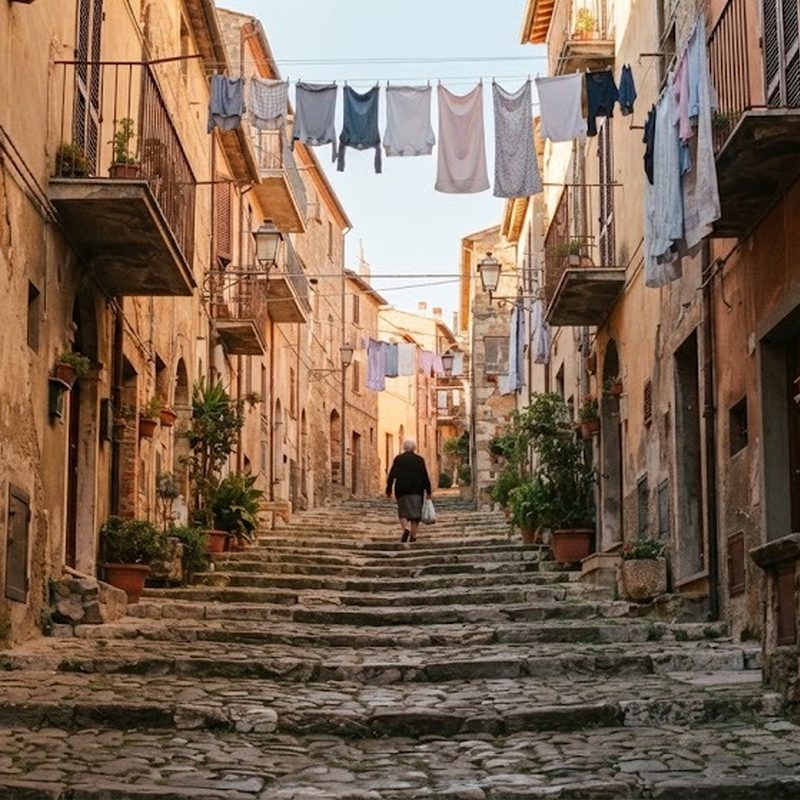
Moisture, thermal bridges and cracks are surface signs, not the cause. Write down where the mark appears, then ask what is behind that wall before buying filler.
2. Look at corners first
Cold corners are the classic bridge, where the structure conducts heat out faster than the surface can hold it. In a rented room, a black corner in a thermal image or simply a corner that stays damp after rain tells you the junction was never insulated.
3. Test for air leaks with your hand
On a windy day, run an open palm along window frames, door thresholds and the line where the wall meets the floor. Moving air is the cheap problem: new tape or a proper brush strip usually fixes it in an afternoon.
4. Windows before walls
Replacing a seal is far cheaper than insulating a façade, so work outward from the openings. Check whether the glass unit has condensation between the panes, which means the unit itself has failed and no amount of draught-proofing will help.
5. Use a thermal camera properly
A handheld unit shows hidden moisture, heat bridges and energy loss in one pass, but only if you give it contrast. Shoot the same wall from inside when it is cold outside and warm within, in the morning before the sun touches the surface, and keep the settings identical between rooms.
6. Read damp as timing
Damp that appears only after heavy rain points at drainage or a crack above; damp that never leaves points at a cold surface where air is condensing. The difference decides whether you call a roofer or a heating engineer.
7. Fix before you decorate
Fresh paint over an unresolved leak hides the evidence for one season. I have watched a friend repaint the same bedroom three years running; the fourth year he repaired the gutter above it and the wall finally dried.
There is a cheap way to check before you spend anything. Tape a sheet of clear plastic to the wall on a sunny afternoon, seal all four edges, and leave it overnight: if the face is wet in the morning, the moisture is coming through the wall rather than from the room. Two euros of tape answered a question the builder had evaded twice.
The other cheap test is the electricity meter. Turn everything off for an hour, write the number down, then do the same with the heating running and compare the two. The difference is what the house actually costs to hold still, and it is the number that decides whether insulation, glazing or just better timing is worth your money first.
The tools that are actually worth carrying
Even a cheap check beats guessing, and the habits cost nothing.
You do not need a professional kit to do most of this. A cheap infrared thermometer, the pistol-grip kind, costs less than a dinner and tells you surface temperatures fast enough to map a room in five minutes. Tape measure, torch, a strip of tissue for draughts, and a notebook: that is the whole bag, and it fits in a jacket pocket.
A thermal camera is the step above that. Rental services rent them by the day in most cities for about the price of a night in a hostel, and if you are checking a flat you are about to sign for, that is the best money the trip will cost. The rule with all of them is the same: take two readings of every surface, one when the heating has been off for an hour and one after it has run, and compare like with like.
Photograph the meter at the same time of day on the same date each month. Two numbers, a year apart, will tell you more than any report a contractor sells you, and they are the only measurement nobody can argue with.
What each fix is worth
Draught-proofing a door and two windows took me an afternoon and about fifteen euros in materials, and dropped the coldest room by roughly two degrees on the next cold night. Cavity insulation is a bigger job, quoted around fifteen hundred euros for a normal house here, and pays back in five to eight years on a standard tariff.
Boiler service and a proper thermostat schedule are cheaper than both and often save more in the first year, because timing beats temperature: an hour off in the morning and two hours off in the afternoon is usually invisible and always cheaper.
What not to do: paint over damp, seal a window you have never opened, or buy the biggest unit the shop has. Oversized heating cycles hard, wears fast, and does nothing for the cold corner that caused the complaint in the first place.
Every kilowatt that escapes is one that was paid for and burned for nothing, and the repair pays back faster than most upgrades. The last check is the one I keep for myself: photograph the meter in October and again in February, because two numbers are more convincing than any inspection report.