
The agent unlocked the door at 16:00 and the front room was already too warm to stand in, which told me more about the flat than anything in the listing. I have taken ten rentals of three to six weeks since then, and the viewing hour is now the first thing I negotiate before any of the other details.
I ask for the viewing at four
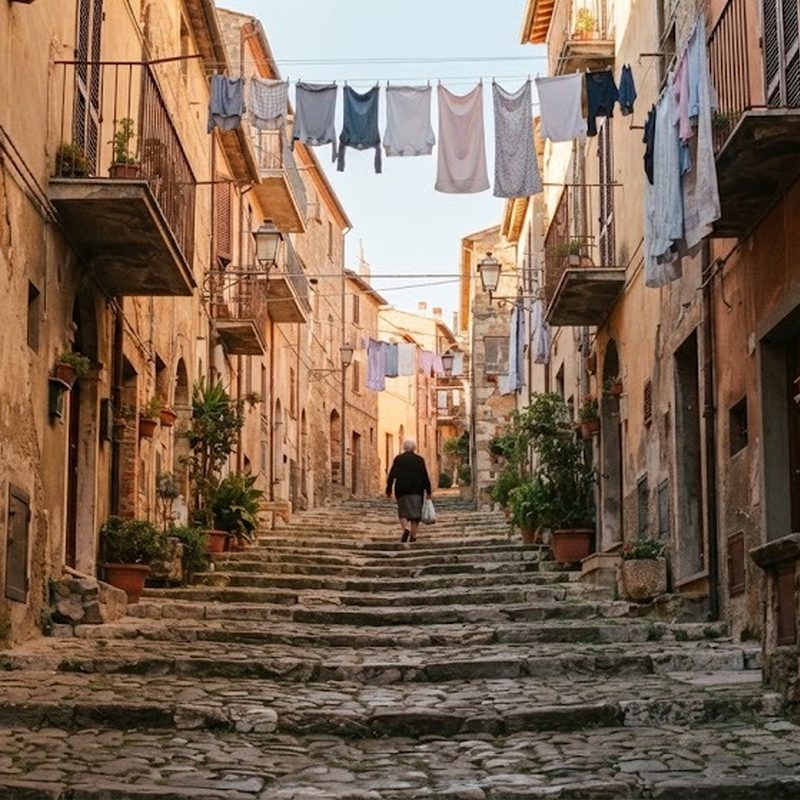
Morning viewings flatter every property, because the sun has not reached the wall yet. At 16:00 in summer I can feel what the room will do at 21:00, and in winter the same hour shows me how early the light goes and whether the place will be lit by the time I finish work.
The agent always offers eleven in the morning, and I have learned to say that I am busy until four. Half of them move the appointment, and the ones who will not move it are usually the ones who already know what the afternoon does to the west wall.
West means August means no sleep
A west room takes the sun from about 15:00 until it sets, and the heat arrives in the flat an hour after that, still sitting in the concrete at midnight. I slept in one for five weeks in Lisbon and my notes from that stay are a list of nights I went to bed at 02:00 because the pillow was warm.
North is the opposite trade and I take it more often than not: dimmer rooms, lower bills in the heat, and a bed I can actually sleep in at 23:00. South is the one I accept only when the windows have shutters that close properly, because glass without shade is worse than any orientation on its own.
Cross-ventilation beats a bigger window
One large window on a single wall cools nothing. What I look for is a second opening somewhere else in the flat, a kitchen window, a bathroom shaft, a door onto a stairwell, so that evening air has a route through instead of sitting in the room.
I test it at the viewing by opening everything for two minutes and standing in the middle. If the curtain does not move, the flat will be still at 23:00 and I will be opening the front door to get any draught at all, which in a building with a night porter is a conversation I would rather not have.
Shutters, curtains and the thirty minutes that matter
Shade is cheaper than air conditioning and it works earlier in the day, so I look at what already hangs on the windows before I look at anything else. Wooden shutters that close fully beat a blind that stops a hand's width short of the sill, and a thin curtain over hot glass only changes the colour of the light.
Where a room has none of it I cost the fix at the viewing: a blackout roller is about 25 euros a window, fitted in ten minutes, and in a stay of a month that buys back the first three hours of every evening. In the Lisbon flat with no shutters I slept with the balcony door open until October, which is a fine way to live and a poor way to work.
The three questions that get real answers
Agents answer listing questions with listing answers, so I ask things they have to think about: what the electricity came to in February and in August, who lived here last and how long they stayed, and what time the sun is in the front room in July. The third one separates people who know the flat from people who were handed a key.
The neighbour on the landing gives better answers than either. In Athens a woman taking out her bins told me the building water goes off on Tuesdays and that the quiet room is the back one, which was worth more than the whole tour of the flat.
What the price difference buys
North-facing flats sit 30 to 60 euros a month under the bright ones in the cities I rent in, and in the same week I compared two studios two streets apart, the cheaper one was 40 euros less and slept better. The saving paid for the fan, the longer walk and the better neighbourhood, and I still had money left for the market at the end of the month.
Before I sign I do one more pass with the lights off, which is where the damp shows and where the window frames tell me what the winter will be like. That check and the one it links to, the heat-loss walkthrough, are the pair that has kept me out of the two flats I would otherwise have regretted.